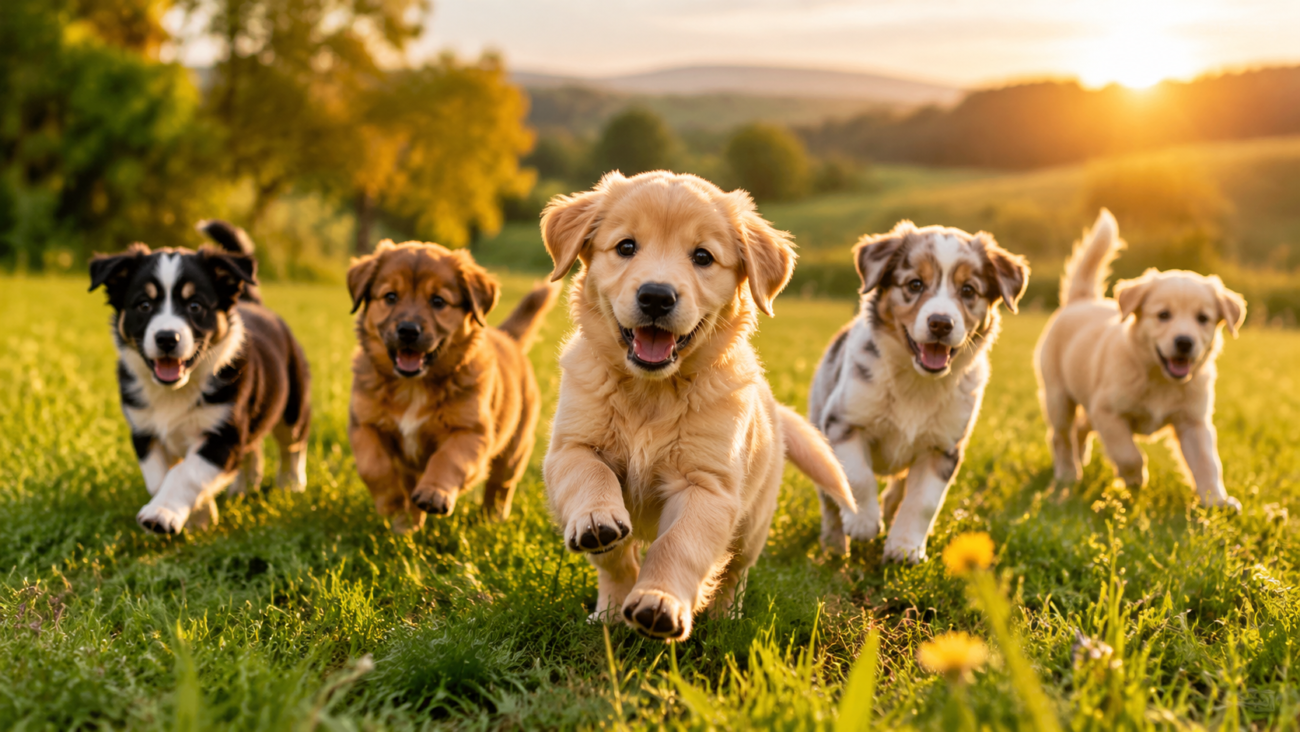
The term “Valplekar” may not be familiar to everyone, but it holds significant importance in understanding the early development of puppies. Derived from the Swedish words valp (puppy) and lekar (play), Valplekar refers to the essential play-based interactions that shape a puppy’s social, emotional, and physical well-being. Early play is often considered one of the most effective and enjoyable ways puppies learn. Play provides numerous benefits, from fostering important social skills to ensuring their physical health. This article explores the role of Valplekar in puppy development and how it can lead to better-behaved, healthier, and more confident dogs.
The Importance of Play in Puppy Development
Puppy play, or Valplekar, is an essential aspect of a puppy’s early development. It helps puppies understand boundaries, social cues, and how to interact with the world around them. Through games like fetch, tug-of-war, and hide-and-seek, puppies learn to control their impulses, work within the boundaries set by their owners, and establish important bonds with other animals and humans. These socializing behaviors play a crucial role in their future relationships, both with humans and other dogs.
Beyond social interaction, play has cognitive benefits too. Valplekar helps puppies learn about their environment, encouraging curiosity and problem-solving. These interactions help stimulate their minds, enabling them to engage more fully with new experiences as they grow. It also aids in improving their agility and motor skills, which are essential for their long-term health and well-being. From this perspective, Valplekar doesn’t just teach socialization; it’s also vital for the puppy’s overall brain development.
Types of Play in Valplekar
Within Valplekar, there are several different types of play activities that puppies engage in. These include both solo activities and those that involve interaction with humans or other animals. For example, interactive play like fetch or tug-of-war fosters cooperation, trust, and teamwork. Puppies learn to take turns, respond to commands, and develop essential skills like retrieving and releasing objects. Additionally, puppy play that incorporates sensory exploration—like sniffing or rolling—helps with their sensory development.
Another significant aspect of Valplekar is the self-directed play that puppies often engage in. This could include activities like chasing their tail or playing with toys. These activities help improve the puppy’s understanding of their body and movement, enhancing their coordination and flexibility. These activities also give them the opportunity to practice problem-solving, as they figure out how to interact with the toys or objects around them. Therefore, Valplekar is not only a social activity but also a way to nurture individual development, mental agility, and creativity.
How Valplekar Affects Puppy Behavior
The effects of Valplekar extend beyond just the immediate benefits of learning how to play. Over time, puppies that engage in regular, structured play are more likely to develop positive behaviors. For instance, puppies that learn to play gently with their owners and other dogs are less likely to become overly aggressive or fearful as they grow older. Play offers a way for puppies to release pent-up energy, reducing the likelihood of destructive behaviors such as chewing or excessive barking.
On the other hand, the lack of proper play or insufficient socialization can lead to anxiety or fear-based behaviors. Puppies that miss out on the critical Valplekar period may struggle with other dogs or become fearful of new situations. This underscores the importance of early play in helping puppies become well-adjusted adults. Thus, Valplekar isn’t just about fun—it’s foundational for a puppy’s mental and emotional stability.
Valplekar and Puppy Training
One of the most beneficial aspects of Valplekar is its role in puppy training. It is often said that puppies learn through play, and this is especially true when it comes to positive reinforcement techniques. Trainers often use games to teach basic commands like sit, stay, or come. This makes the learning process more enjoyable for both the puppy and the owner. As puppies become more comfortable with these commands through play, they also learn to associate positive experiences with good behavior.
Moreover, Valplekar helps puppies develop impulse control, a crucial skill for good behavior. By playing games where they need to wait their turn or release an object on command, puppies start to learn delayed gratification. This, in turn, makes them more manageable as they grow older. The ability to stay calm, controlled, and patient is a trait often seen in well-socialized dogs that had a strong foundation of play early on.
Valplekar in Puppy Socialization
Socialization is a critical element in a puppy’s life. Valplekar provides the perfect platform for puppies to interact with other dogs and humans. It allows them to learn the cues of both canine and human communication. Puppies that grow up playing with other dogs often become more comfortable around other animals and people, leading to fewer behavior issues as adults. They also develop better skills in understanding body language, which is essential in preventing misunderstandings and conflicts.
Additionally, puppies that are socialized through Valplekar early in life are better equipped to handle new environments, unfamiliar situations, and encounters with strangers. A puppy that has had many positive interactions during play is less likely to experience fear or aggression when meeting new people or dogs later in life. This kind of early exposure is critical to raising a well-adjusted dog that can thrive in diverse situations.
The Psychological Benefits of Valplekar
Beyond physical and social benefits, Valplekar also provides significant psychological benefits. For puppies, play is often an outlet for stress and anxiety. Puppies, like humans, can experience emotions like fear, frustration, and excitement. Play offers a way for them to release these emotions in a healthy way. This reduces the likelihood of stress-related behaviors, such as excessive barking, chewing, or digging.
Furthermore, Valplekar enhances a puppy’s sense of security and happiness. When puppies engage in play with their owners, they form a bond of trust and affection. This connection is essential for a puppy’s emotional development and helps them feel more secure and less anxious. It’s not just about physical exercise; play provides emotional enrichment, which is equally important for a puppy’s well-being.
Conclusion
Valplekar—puppy play—plays a crucial role in shaping a puppy’s development. It not only helps them grow physically but also teaches them important social skills, mental agility, and emotional intelligence. Puppies that engage in regular play are more likely to develop into well-adjusted, well-behaved adults. Whether it’s playing games with other dogs, learning basic commands, or just exploring their environment, play offers an opportunity for puppies to learn and grow in a way that benefits them for the rest of their lives.
Frequently Asked Questions (FAQs)
What is the best type of play for puppies?
The best types of play for puppies are those that incorporate both physical and mental stimulation. Games like fetch, tug-of-war, and hide-and-seek are excellent for building social skills and reinforcing basic commands. Interactive toys and sensory activities, such as sniffing games, also promote mental development.
Can too much play be harmful for puppies?
While play is essential for puppy development, it’s important to ensure that puppies don’t overexert themselves. Too much play, especially high-energy activities, can lead to exhaustion or injury. It’s crucial to balance play with rest, especially in very young puppies.
How do I know if my puppy is playing too rough?
Puppies may play roughly, but it’s important to watch for signs of discomfort or aggression. If your puppy is growling, showing teeth, or trying to bite during play, it’s a sign to intervene. Play should be fun and lighthearted, not threatening or painful.
How early should I start playing with my puppy?
It’s important to start engaging in play with your puppy as soon as they are old enough to interact. This usually starts at around 8 weeks of age, once they’ve been weaned. Early play helps build a strong bond and teaches them important skills.
How long should a puppy play each day?
Puppies typically need around 15-20 minutes of active play per session, several times a day. However, the amount of play should be tailored to the puppy’s age, breed, and energy levels. Be mindful of their physical limits, and make sure they have plenty of time to rest and recover between play sessions.
